

What Are Local Building Codes, and Why Are They Applied to Roofs?
Local building codes are sets of minimum standards established to ensure that homes in Penn Yan, NY are safe, structurally sound, and well suited to local weather and environmental conditions. For any roofing project, these codes dictate how roofs must be built or repaired, specifying materials, techniques, and safety measures. Codes are based on statewide rules but may also include requirements tailored for the Finger Lakes’ climate, snow loads, and wind patterns.
The primary purpose of these codes is to protect residents and properties by reducing risks of leaks, collapses, or premature failures—especially during harsh winter storms or high winds frequently seen in this region.
How Do Building Codes Affect Your Roofing Project?
Every new roof or significant repair in Penn Yan must comply with current building codes. This means:
- Roofers and homeowners must use approved materials and building methods.
- Roof slopes, ventilation, and fastening systems must meet code requirements.
- Permits are generally required for tear-offs, structural repairs, and major re-roofing.
Even for smaller projects, codes affect choices like underlayment type and ice dam prevention measures. Failing to follow these rules can result in failed inspections, the need to redo work, or issues with home insurance coverage.
Which Specific Code Requirements Matter Most Locally?
Several code elements are especially important for area households:
*Snow Load Design*: Roofs must handle the weight of heavy winter snowfalls typical in the region. Codes set minimum strength and pitch requirements so snow slides off or can be safely supported.
*Ice Barrier Installation*: Due to winter freeze/thaw cycles, codes require special underlayment at roof edges and valleys to help prevent leaks caused by ice dams.
*Ventilation Standards*: Adequate ventilation is essential under the roof deck to manage condensation, so codes mandate vents or other airflow features. This reduces mold risk and helps shingles last longer.
*Fire Ratings*: Roofing materials must have appropriate fire resistance ratings, especially if properties are near wooded areas.
What Happens if a Roof Doesn’t Meet Code in Penn Yan?
A roof that doesn’t meet code may not pass inspection by the local building department. This can delay a home sale or insurance claim. In extreme cases, the city may require non-compliant sections to be entirely rebuilt.
Other impacts include:
- Loss of certain insurance protections if damage is linked to code violations
- Higher risk of structural problems, leaks, or mold, especially after storms
- Difficulty obtaining a certificate of occupancy for newly built homes or major renovations
Common misunderstandings arise when property owners attempt to save money by skipping permits, only to face larger expenses correcting unapproved work.
Do Building Codes Change, and How Can Homeowners Stay Informed?
Building codes are reviewed and updated regularly. Changes usually reflect new construction methods, improved safety practices, or lessons learned from severe weather events. For example, regulations for ice barrier widths or ventilation requirements have been strengthened in response to past local roof failures.
Residents planning roofing work should:
- Check with the city’s building department before starting any significant project
- Ask for clarification if they’re unsure about a rule, especially for older homes whose previous roofs might not meet current standards
- Remember that “grandfathered” roofs may need to meet updated codes if repairs surpass a certain size
Do Building Codes Apply to Re-Roofing or Only to New Roofs?
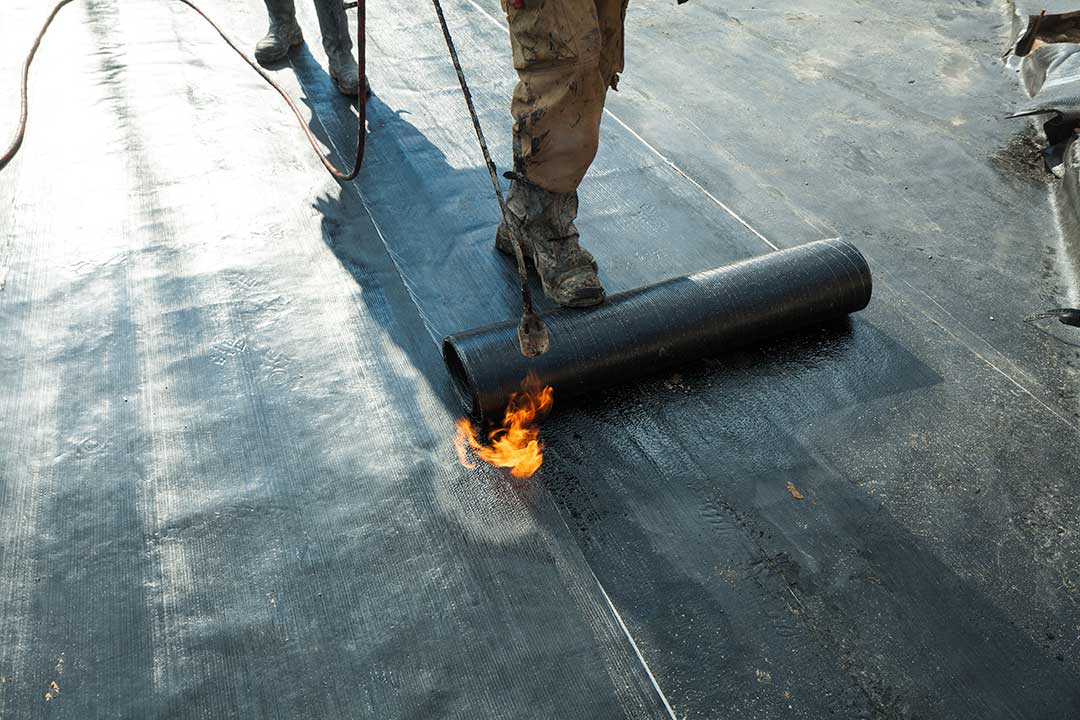
Codes apply to both new constructions and most re-roofing projects in Penn Yan. For re-roofing, some rules—like how many layers of shingles you can have, or whether damaged decking must be replaced—are triggered as soon as you remove or add substantial portions of existing roofing.
Area homeowners sometimes assume re-roofing is exempt from permits or inspections, but this is often not true. Routine maintenance, like replacing a few shingles, usually doesn’t trigger code requirements, but anything larger may.
What Are Common Mistakes or Misconceptions About Roofing Codes?
Several misunderstandings are common in the community:
- Believing DIY repairs or hiring non-licensed labor means codes don’t apply
- Assuming if “it’s how the roof was done before,” it’s automatically allowed now
- Believing building permits are only for major construction, not roof repairs
- Thinking unpermitted work is unlikely to be discovered—inspections for nearby projects can make issues visible
Carefully reading permit requirements and consulting the latest codes prevents many headaches and protects your investment in your home.
How Do Climate and Local Factors Shape Roofing Codes in This Area?
Penn Yan’s location in the Finger Lakes results in lake-effect snow, fluctuating temperatures, and occasional strong winds. Building codes address these specific risks:
- Steeper minimum roof pitches to help shed snow
- Heavier structural requirements to avoid collapse from accumulated snow or ice
- Mandated underlayment and ice barriers for better moisture protection
These adaptations reduce the likelihood of winter damage, which can be more severe here than in milder parts of the state.
Why Should Residents Care About Code Compliance Even If Not Selling Their Home?
Homes that meet local codes are usually safer, more comfortable, and less costly to maintain. Beyond passing inspections, code-compliant roofs are better equipped to handle local weather extremes, reducing the chance of unexpected leaks, sagging, or mold growth.
Property owners who adhere to the rules often enjoy lower insurance premiums and faster claims in the event of storm damage. Even for residents not planning to sell, a code-compliant roof means greater peace of mind and long-term value.
