

Can Roof Repairs Continue Safely in Penn Yan, NY During a Crisis?
Yes, it is possible to address roof repairs during public health emergencies like COVID-19 or other widespread crises, but extra care is needed. Many homeowners worry about safety risks, supply chain issues, and how to prioritize repairs while respecting local or state guidelines.
In the Penn Yan area, weather can be unpredictable—heavy rain, snow, and wind make roof maintenance critical. Postponing urgent repairs could threaten structural safety and cause damage inside the home. However, non-essential repairs can usually wait until conditions are more stable.
What Roof Problems Require Immediate Attention?
Some roof issues pose immediate risks to safety or property and shouldn't be delayed:
- Large leaks that cause water to enter living spaces
- Sections of missing shingles after storms
- Structural damage from fallen branches or heavy snow
- Sagging or unsafe rooflines
Minor cosmetic issues, like torn shingle edges or small gaps in flashing, are less urgent. If unsure, reviewing the situation from the ground or attic and using photos for documentation can help clarify urgency.
How Can Residents Safely Assess Roof Damage Without Climbing?
Climbing onto the roof is never recommended for most residents, especially during a crisis when medical services may be strained.
Safe alternatives include:
- Using binoculars to visually inspect shingles and flashing from the ground
- Checking for leaks or water stains in the attic or upper floors immediately after rain
- Walking the home's perimeter after storms to look for visible damage or fallen debris
Take notes and photos to document any suspected problems. This record will be useful if repairs are needed.
Are DIY Roof Repairs Practical or Advisable in Emergencies?
For minor fixes, some residents may handle repairs themselves. However, Penn Yan homes often have steep pitches and sometimes complex roof designs due to local architectural styles.
Simple maintenance that can be performed safely from the ground includes:
- Clearing clogged gutters and downspouts with a scoop or hose
- Using a long-handled pole to remove small tree limbs
Avoid climbing ladders or walking on the roof unless absolutely necessary. Emergency personnel may be less available during crises, and injuries could further burden local healthcare resources. If the repair involves electrical lines, obvious structural instability, or rooftops above two stories, it's safer to wait or consult knowledgeable sources.
How Can Roof Repair Be Coordinated with Physical Distancing?
When repairs require outside help, coordinating safely requires attention to public health guidelines. In Penn Yan, where weather can rapidly change, timing and communication are important.
Best practices include:
- Requesting an exterior-only assessment, discussing details by phone or video chat
- Sharing photos or descriptions ahead of time to minimize visit length
- Maintaining at least six feet of distance from anyone not living in the home
- Avoiding handshakes or shared tools
- Using digital payment methods when possible
Residents can prepare access by unlocking gates, clearing driveways, or relocating vehicles, so workers do not need to enter the home.
Are Materials and Supplies Impacted During Health or Supply Crises?
Yes, local supply chains for roofing materials are sometimes delayed during public health emergencies or supply disruptions. Penn Yan supply yards and hardware stores may experience shortages, particularly for specialty products or custom colors.
If waiting for materials:
- Ask suppliers for expected delays before starting repair work
- Tarp or temporarily patch damaged areas until proper supplies are available
- Monitor for weather changes and secure temporary fixes before storms
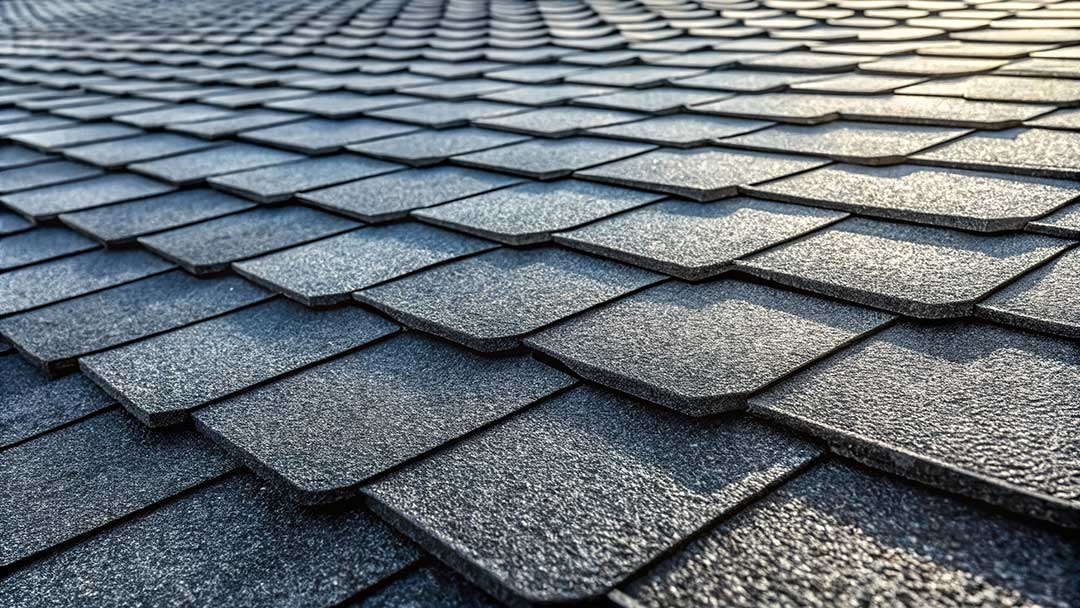
Some materials, like asphalt shingles, are widely stocked, but unique architectural or metal roofs may require patience for special orders. Sharing as much detail and photos about your roof as possible will help suppliers give realistic estimates.
How Should Residents Prepare for Future Roof Emergencies?
Planning ahead helps reduce stress and confusion if a new crisis arises. It’s worthwhile for Penn Yan homeowners to:
- Note the type, age, and basic materials of their roof after each inspection
- Photograph key areas of the roof, attic, and gutters for before-and-after comparison
- Keep a list of trusted public resources for emergency guidance and disaster updates
- Understand what their home insurance covers in cases of storm or crisis damage
Routine, seasonal inspections from the ground, especially after severe weather, make it easier to notice new issues early, reducing the odds of larger emergencies later.
What Myths and Mistakes Should Penn Yan Residents Avoid?
A few common misconceptions can increase risks or unnecessary anxiety:
- Myth: Small leaks will resolve on their own—water almost always finds a way to cause more damage if not managed.
- Myth: Homeowners’ insurance covers every repair—most policies have exclusions or specific requirements for storm, wind, or pandemic-related claims, so reviewing your policy in advance matters.
- Mistake: Using makeshift repairs like duct tape or plastic sheets inside an attic. These often worsen mold and insulation problems.
Checking facts with official resources or neutral local publications, rather than rumors, prevents stress and wasted effort.
How Do Local Weather Patterns Influence Roof Repairs in a Crisis?
Penn Yan weather is both a challenge and a motivator for timely roof care. Wind-driven rain, lake-effect snow, and ice damming are common. In emergencies, keep these local weather features in mind:
- Use roof tarps rated for heavy rain and high winds to prevent leaks during supply shortages.
- Plan ground inspections after major thaws or windstorms.
- Factor winter conditions into repair scheduling—repairs are safest on dry, mild days, which can be rare in late fall and early spring.
Anticipating local weather hazards helps area homeowners avoid the worst secondary damage during crisis events.
