
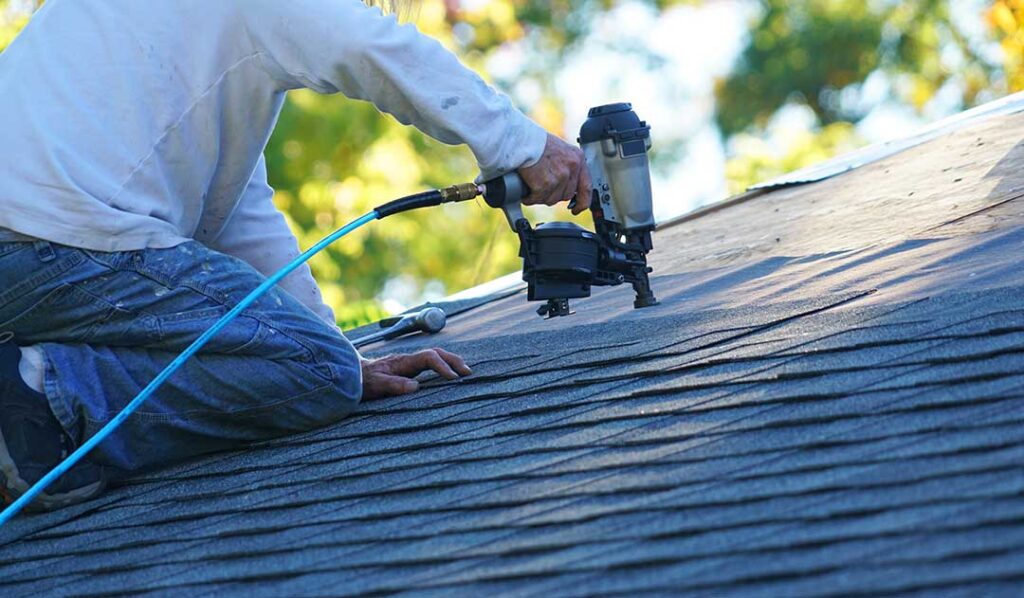
Why Rooftop Safety Matters for Residents of Penn Yan, NY
Rooftop safety is essential for homeowners given the mix of older homes, variable weather, and ample tree coverage in Penn Yan, NY. Many residents are used to handling minor tasks themselves, like checking for loose shingles or clearing gutters. But even what seems simple can create real risks if safety is overlooked.
The city’s seasonal shifts—spring rains, winter snow, and autumn leaves—increase the need to access roofs throughout the year. Understanding how to protect yourself on the roof can help prevent falls, injuries, and property damage.
What Risks Should Homeowners Be Aware Of?
The most common rooftop hazards for area households include falls, unstable ladder setups, slippery surfaces, and electrical lines. A few less obvious dangers are loose roofing materials, animal nests, and sudden wind gusts—especially at the heights and pitches typical of homes here.
Many injuries happen not from major repair attempts, but during everyday maintenance like retrieving debris or checking for leaks after a storm. Even confident DIY-ers sometimes misjudge just how easily a slip, trip, or distraction can result in a serious accident.
How Do Seasonal Conditions in Penn Yan Affect Rooftop Safety?
Each season brings its own challenges. Ice and snow cause especially slippery conditions into early spring, while wet or mossy areas remain a risk year-round on shaded roofs. Fall leaves and heavy rainfall can conceal hazards or clog gutters, prompting more frequent climbs.
- Winter and early spring: Snow lingering on shaded pitches, icy patches, and possible hidden weak spots in roof decking.
- Spring and summer: Water from rainstorms making surfaces slick, and moss growth in humid stretches.
- Fall: Slippery leaves, dampness, and clogged gutters make for unstable footing.
Plan any rooftop tasks for dry, daylight hours, and always reassess the surface before stepping on, regardless of the season.
What’s the Safest Way to Use Ladders for Roof Access?
A sturdy, correctly positioned ladder is the safest access point for most homes in the city. Place the base on level, firm ground; set the ladder at a 75-degree angle (about one foot away from the wall for every four feet of height). Extend the ladder three feet above the roof edge so there’s plenty of gripping area.
Practical points for local conditions:
- Always inspect the ladder for missing, loose, or bent parts before use.
- Avoid using metal ladders near power lines—wood or fiberglass is safer.
- Dust off leaves, mud, or snow from ladder rungs to prevent slipping.
- Secure the ladder’s feet, and if possible, have someone steady the base.
What Precautions Should Be Taken Before Setting Foot on the Roof?
Before climbing, homeowners should:
- Inspect the roof visually from the ground for damage, sagging, or loose materials that could shift underfoot.
- Wait for dry, calm weather (avoid windy or stormy conditions).
- Wear soft-soled, non-slip shoes (rubber-soled work boots are a solid choice).
- Empty back pockets and secure loose clothing that could snag or catch.
- Use a harness system for steep or high roofs; these are particularly helpful if your home has a second story or steeper-than-average slope.
Floors in older homes might flex or give—if anything feels unstable, reconsider whether to proceed.
Are There Any Special Roof Features Homeowners Should Watch Out For?
Local houses often include features like metal flashing, low-hanging tree branches, and skylights. These can all create tripping or slipping risks. Skylights can be mistaken for solid surfaces under snow or leaves, so keep an eye out if your roof has them.
Low-hanging branches can interfere with moving around or even knock people off balance during wind gusts. Be sure to assess the work area for these and clear debris or branches before starting.

What Rooftop Tasks Should Homeowners Avoid Doing Themselves?
While many local residents take pride in home maintenance, some tasks carry higher risks or legal restrictions:
- Handling or removing active power lines, satellite dishes, or antennas.
- Repairing structural damage to rafters, beams, or decking, especially after a storm.
- Working on roofs with a slope greater than what feels comfortable in dry, calm weather.
Any task requiring multiple tools, awkward movements, or heavy lifting at height increases accident risk. When safety gear is not available, or if the roof surface looks badly deteriorated, consider safer alternatives for inspection or maintenance, such as using binoculars or camera poles from the ground.
How Can Homeowners Safely Inspect Their Roofs Without Climbing On?
Several roof checks can be done safely from the ground. Use binoculars to examine shingles, flashing, exposed nails, and vent stacks. Photographs or videos taken at an angle from a ladder (without stepping onto the roof) offer a close-up view. Many residents pair these methods with a checklist after severe weather as a regular habit.
Cleaning out gutters can often be handled with a gutter scoop or vacuum attachment from a ladder—not from the roof itself. Window angles in many homes also provide good direct sightlines to lower roof surfaces.
What Local Misconceptions or Habits Raise Rooftop Safety Risks?
Many in the community see rooftop work as just another home maintenance chore and underestimate the potential for injury. A frequent misconception is that short or low-pitched roofs are “safe” to walk on without precautions. Falls from even single-story heights can cause serious injuries.
Another overlooked issue is assuming athleticism or familiarity means safety—professionals use dedicated gear, not just careful steps. Even those with decades in their homes should approach every roof outing as a new, unique challenge.
When Is It Necessary for Homeowners to Avoid the Roof Altogether?
Avoid climbing onto the roof if:
- Wet or windy conditions persist
- There’s visible sagging, missing sections, or storm damage
- Utility lines are involved
- Any discomfort, dizziness, or uncertainty is present
There’s no harm in waiting for ideal conditions or using alternative monitoring methods. Taking time to assess each task can prevent accidents and safeguard health for area households.
