
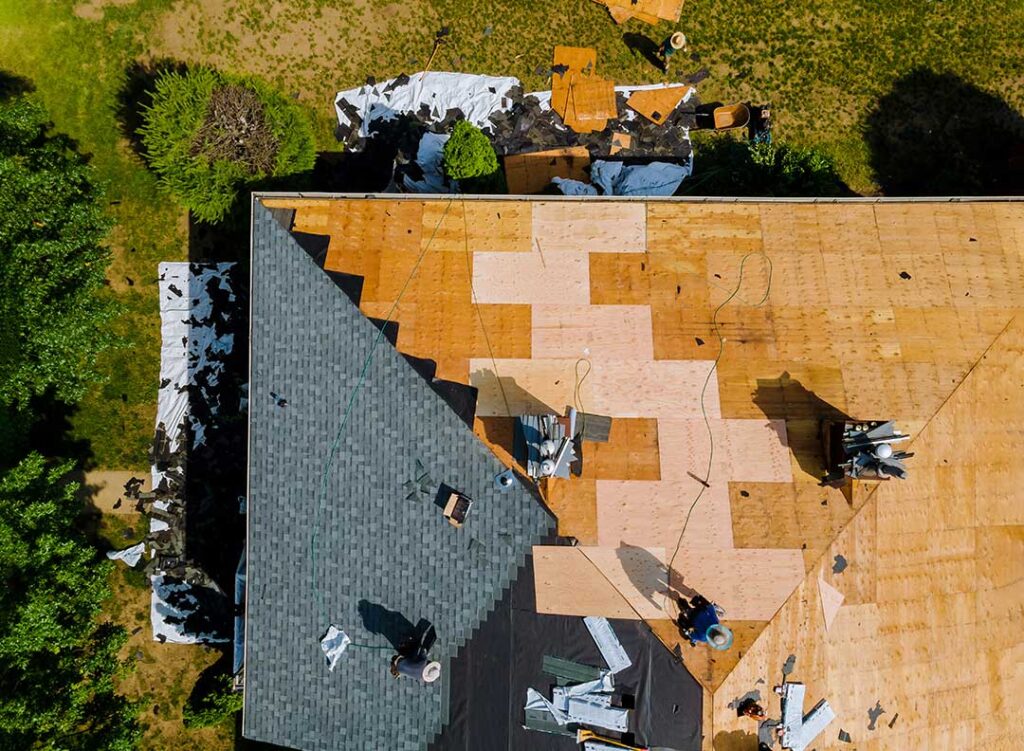
A new roof can help reduce indoor allergens by stopping moisture intrusion, limiting mold-friendly conditions, and improving the control of outdoor air entering through the attic and upper parts of a home. It does not remove dust, pollen, or pet dander by itself, but a sound roofing system can address several building problems that allow allergens to accumulate.
Can a new roof really improve indoor air quality?
Yes, but mainly by preventing moisture and outdoor debris from entering the building. Roofing problems can create damp insulation, stained sheathing, musty attic spaces, and hidden mold growth. These conditions may release spores into the air or allow them to spread through gaps around ceilings, light fixtures, ductwork, and attic access panels.
A replacement roof may help when the existing roof has:
- Repeated leaks or water stains
- Damaged flashing around roof penetrations
- Missing, cracked, or deteriorated materials
- Poorly sealed areas near vents or chimneys
- Sagging sections that hold water
- Long-term moisture damage in the attic
The roof is only one part of indoor air quality, though. A new covering cannot correct plumbing leaks, basement dampness, inadequate bathroom ventilation, or contaminated heating and cooling equipment.
How does roof moisture contribute to allergens?
Moisture is one of the main conditions that allows mold to grow. A small roof leak may not produce a noticeable drip inside the living space. Water can travel along rafters, insulation, wiring, or ceiling materials before becoming visible. By the time a stain appears, the surrounding materials may have experienced repeated dampness.
In a four-season climate such as Penn Yan, roofs face freeze-thaw cycles, heavy rain, snow, wind, and changing humidity. These conditions can worsen small weaknesses in shingles, flashing, ventilation components, and roof edges. Ice buildup along eaves can also push water beneath roofing materials if drainage and underlayment are compromised.
Mold spores are naturally present indoors and outdoors, so the goal is not to eliminate every spore. The practical goal is to prevent excessive moisture and avoid creating areas where mold can multiply.
Which parts of a roofing system matter most?
The visible roof covering is only one layer of the system. Several less noticeable components affect moisture control and allergen risk.
Flashing directs water away from roof joints, chimneys, wall intersections, skylights, and other penetrations. Damaged or poorly installed flashing can allow water into the attic even when the shingles appear intact.
Underlayment provides an additional water-resistant layer beneath the roof covering. It can help limit leakage when wind-driven rain or melting snow reaches below the outer surface.
Ventilation helps remove heat and moisture from the attic. A balanced system generally includes intake ventilation near the lower roof edges and exhaust ventilation near the upper roof area. Ventilation does not make a wet attic dry instantly, but it can help reduce condensation when properly designed.
Roof edges and penetrations deserve close attention because they are common pathways for water and air movement. Openings around vents, pipes, and electrical fixtures can allow attic dust or insulation fibers to enter the living space.
Can poor attic ventilation make allergies worse?
It can contribute to conditions that aggravate indoor air quality. Warm, humid attic air may condense on colder roof components during parts of the year. Persistent condensation can dampen insulation and wood, creating an environment favorable to mold.
Poor ventilation is not always the only cause. Air leaks from the living area into the attic can carry moisture upward through recessed lights, attic hatches, plumbing openings, and ceiling penetrations. If those leaks are not sealed, adding vents alone may not solve the problem.
A roof replacement is an opportunity to examine:
- Whether attic insulation is damp, compressed, or mold-affected
- Whether bathroom fans discharge outdoors rather than into the attic
- Whether the attic hatch fits tightly
- Whether roof intake and exhaust ventilation are balanced
- Whether ceiling penetrations are sealed
- Whether damaged sheathing needs attention
Any insulation or wood affected by substantial mold growth or prolonged water exposure may require separate evaluation and careful removal.
Will a new roof reduce pollen and outdoor allergens?
A new roof may reduce some pathways for outdoor allergens, but it is not a pollen filter. Dust, pollen, and other particles usually enter through doors, windows, heating and cooling systems, crawl spaces, and ordinary air leakage.
However, roof work can improve the building envelope when it includes properly sealed penetrations and sound flashing. A tighter attic boundary may reduce the movement of dusty attic air into living areas. This is particularly relevant in older homes where gaps have developed around ceiling openings or where insulation has shifted over time.
Seasonal habits also matter. During high-pollen periods, keeping windows closed during peak outdoor conditions, using properly maintained HVAC filters, and cleaning entry areas can have a more direct effect on airborne particles than replacing a roof.
What signs suggest that roofing problems may be affecting indoor air?
Roof-related moisture may be contributing to indoor allergen concerns when residents notice a combination of building and health-related clues. Possible warning signs include:
- Musty odors that are strongest near the attic or upper ceilings
- Brown, yellow, or spreading ceiling stains
- Damp or clumped attic insulation
- Visible mold on roof framing or sheathing
- Peeling paint near upper walls or ceilings
- Condensation around attic surfaces
- Repeated leaks after rain or snow
- Symptoms that improve when occupants are away from the home
These signs do not prove that the roof is the source of a health problem. Allergies and respiratory irritation can have many causes, including dust mites, pets, basement moisture, combustion byproducts, and outdoor air pollution. A building inspection can help distinguish roof-related moisture from other conditions.
Does replacing the roof remove existing mold?
No. Replacing the roof stops or reduces one possible source of water entry, but it does not automatically remove mold already present in insulation, sheathing, drywall, or framing.
After a leak, affected materials should be allowed to dry thoroughly. Porous materials with extensive mold growth may not be suitable for simple surface cleaning. Mold cleanup also needs to address the moisture source; otherwise, the problem may return.
Residents should avoid disturbing large areas of suspected mold without appropriate precautions. Cutting, brushing, or removing contaminated materials can release additional particles into the air. Health concerns are especially relevant for people with asthma, significant allergies, or weakened immune systems.
What should homeowners check after a new roof is installed?
A roof that looks good from the ground may still have unresolved attic or ventilation issues. After roofing work, practical checks include:
- Inspecting the attic after the next significant rainfall
- Looking for new stains, damp insulation, or condensation
- Confirming that bathroom and kitchen exhaust fans vent outdoors
- Checking that attic access covers fit securely
- Watching for musty odors during humid weather
- Keeping gutters and drainage paths clear
- Replacing water-damaged insulation when necessary
- Maintaining heating and cooling filters according to the equipment instructions
A new roof is most helpful for indoor air quality when it is part of a broader moisture-control plan. Keeping the attic dry, sealing major air leaks, controlling indoor humidity, and addressing basement or plumbing problems all contribute to a healthier home environment.
