

What Does a Typical Roof Warranty Cover?
Roof warranties usually fall into two main types: manufacturer warranties and workmanship warranties. Manufacturer warranties cover defects in roofing materials, while workmanship warranties protect against errors in installation. For most homes in Penn Yan, manufacturer warranties are commonly offered with asphalt shingles and metal roofs, two popular materials well-suited to the region’s weather swings.
Manufacturer warranties tend to cover issues like premature cracking, granule loss, or manufacturing flaws. Workmanship warranties, on the other hand, guarantee the work performed by the installer for a certain period—typically anywhere from one year to ten years, depending on the installer.
Key Details to Look For
- Coverage period: How many years does the warranty last? Is it prorated?
- What's included: Does the warranty cover full replacement or only defect repairs?
- Transferability: Can future owners take over the warranty if selling the property?
- Exclusions: Are there common exclusions, such as damage from ice dams, windstorms, or lack of maintenance?
How Can Local Climate in Penn Yan Affect Warranty Coverage?
Roof warranties are always subject to local weather realities. In Penn Yan, roofs regularly contend with freeze-thaw cycles, heavy snow, lake-effect moisture, and strong summer sun. Many warranties come with fine print regarding damage from wind, hail, or ice damming—events common in the community.
While some warranties may specifically exclude "acts of nature," others may set limits on maximum wind speeds or snow loads covered. If these details matter to your location, read terms carefully and ask for clarification if any part of the weather coverage is unclear.
Are There Common Misunderstandings About Roof Warranties?
Many homeowners believe their warranty is all-inclusive. In practice, roof warranties often contain more conditions and limitations than people realize.
- Improper Installation: If a roof wasn’t installed according to manufacturer instructions, material warranties can be voided—even if another crew did the work.
- Maintenance requirements: Many warranties require homeowners to perform regular inspections and minor upkeep. Neglecting simple maintenance can lead to denied claims.
- Storm or animal damage: Most warranties exclude events like fallen tree limbs, rodent damage, or high-wind events unless specified otherwise.
Checking the official warranty paperwork is the clearest way to understand what is and isn’t included.
How Can Area Residents Check If a Warranty Is Still Valid?
To assess if an existing roof warranty is still active, Penn Yan residents should start by locating their original warranty documents. If those aren’t available, try to find:
- The date of roof installation (often found in closing paperwork, permits, or receipts)
- The name of the shingle or roofing material manufacturer (sometimes printed on leftover packaging or visible in attic spaces)
- The installer’s details (important for workmanship warranties)
Once these details are in hand, check the stated warranty duration and compare it to your roof’s age. Transferability is another major factor: many warranties require paperwork or fees to transfer coverage to new homeowners at the time of sale.
What Can Void a Roof Warranty Unintentionally?
Common actions can inadvertently void warranty coverage. For example:
- Adding new penetrations or satellite dishes through the roof without approved flashing methods
- Pressure washing shingles or using unapproved chemical cleaners
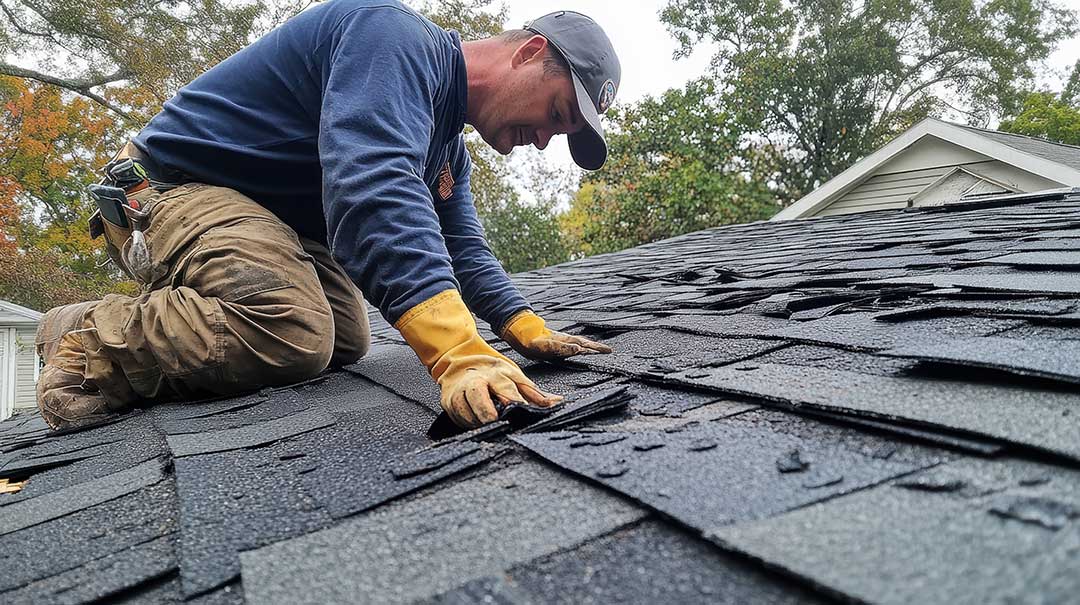
- Failing to fix minor leaks or missing shingles promptly
Local households should know that authorized repairs, using compatible materials and methods, are almost always required for fully maintaining coverage.
Why Is It Important to Read the Fine Print?
Every warranty includes limitations and exclusions—sometimes buried in the details. Residents should pay attention to:
- Required maintenance schedules or documentation
- Registration deadlines (some warranties must be registered shortly after installation)
- Specific material limitations (e.g., hail coverage offered only with premium shingle models)
Reviewing the fine print helps avoid unwelcome surprises in the event of a future claim and supports proper care over the lifespan of a home’s roof.
How Do Seasonal Changes Affect Warranty Claims in the Community?
Penn Yan’s seasons—especially winter—can complicate warranty claims if roofing problems emerge at the wrong time. For example:
- Ice damming caused by snow accumulation is rarely covered unless the warranty specifically addresses it.
- Waiting until spring to inspect a roof may make it harder to prove when damage occurred; prompt reporting is usually required.
Residents benefit from acting quickly when issues arise, documenting conditions with photos, and maintaining written records of any roof inspections or repairs—even minor ones.
What Should Homeowners Ask About Before Installation?
Before any new roof is installed, ask about:
- The exact terms of the manufacturer and workmanship warranties
- What actions may void either coverage
- How climate-related issues are handled in the warranty terms
- What’s required for ongoing maintenance and record-keeping
Knowing these points up front can ensure fewer headaches if problems ever arise.
