
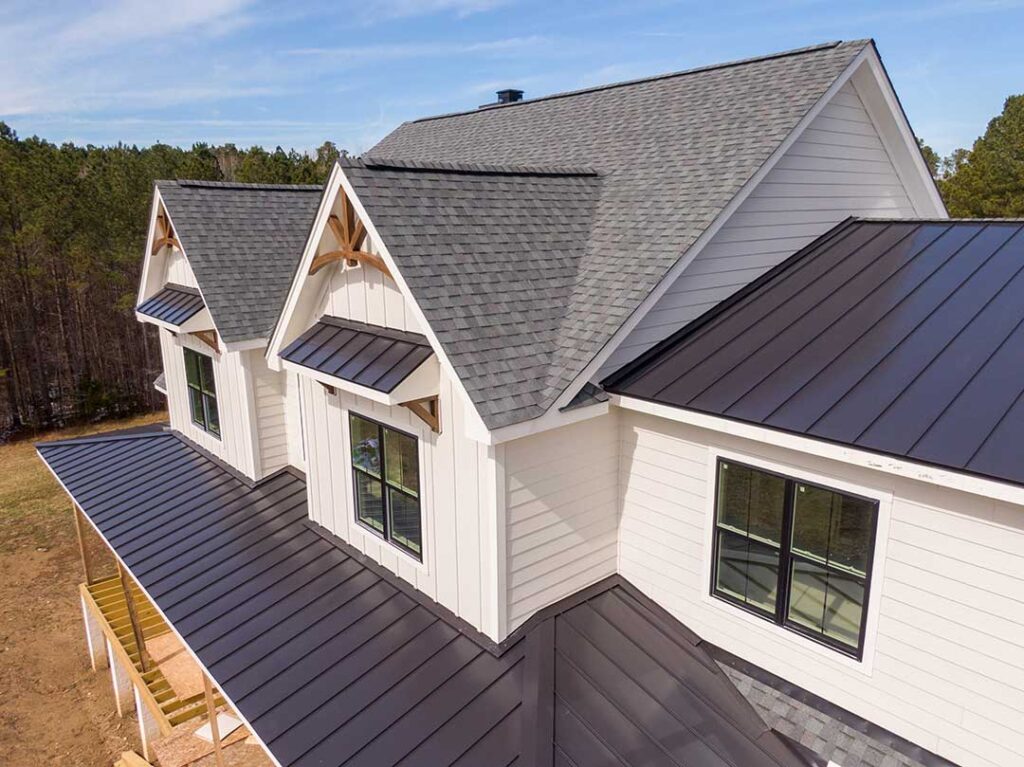
What Counts as a Roofing Emergency in Penn Yan, NY?
A roofing emergency typically involves any unexpected damage that allows water inside or creates immediate safety hazards. Local households experience these most often due to strong winds, heavy rain, ice storms, falling branches, or severe hail—all common in this region's seasonal shifts.
Not every roof issue is an emergency. Leaks causing active dripping, sections of missing shingles, or visible holes from storm impact qualify for an urgent response. Less critical issues, like a single cracked shingle that isn’t letting water in, can often wait for scheduled attention.
What Should Residents Do First After Discovering Sudden Roof Damage?
First, focus on safety. Do not climb onto a roof during or immediately after a storm, as surfaces may be slick, unstable, or structurally compromised.
Key immediate steps:
- Move furniture and personal items away from the leak if water is entering your living space.
- Place plastic sheets, buckets, or towels under drips to minimize water damage.
- Power down electrical appliances in affected rooms if water is entering near outlets or fixtures.
- Document the damage with photographs for insurance or future repairs.
How Can You Temporarily Limit Water Entry?
A temporary patch can reduce further interior damage until professional repairs can be made.
- For attic-accessible leaks: Lay a waterproof tarp or thick plastic sheet under the leak, draping it into a plastic bin or bucket. Secure with duct tape or weights.
- For missing shingles accessible from a ladder (only if conditions are safe): Carefully drape a heavy-duty tarp over the exposed area, extending a few feet past as a buffer. Use 2x4s on the edges to weigh it down. Never use bricks or anything that can roll off in high winds.
- Roofing cement or caulk can seal small punctures, but these are stop-gap solutions—not permanent fixes.
Avoid placing yourself at risk—some homes in the region have steep old-style roofs or slate tiles, which can be especially slippery and fragile. If wind or lightning persists, stay indoors.
How Does Penn Yan’s Weather Affect Roof Emergency Responses?
Local climate influences how urgent and challenging roof repairs can be. Sudden thaws, hard freezes, and spring rains are notorious for turning minor defects into emergencies as ice dams form or stormwater finds weak points.
Along Keuka Lake, wind-driven rain can exploit even small roof flaws. After ice storms, heavy snow load or fallen limbs are common sources of breaches. Some older homes with steeply pitched roofs channel water rapidly, causing leaks to spread before discovery.
Because weather can change rapidly, residents should never assume a break in the rain means the roof is safe to check. Slippery moss or frost may remain long after storms pass.
Should You Attempt Emergency Repairs Yourself?
Temporary repair methods are safe only if performed from inside the home or from a stable, low-height area when weather has cleared. For most area households, waiting for dangerous conditions to subside before venturing outside is strongly advised.
Attempting to fix major breaches, climb steep or icy roofs, or clear debris during unsettled weather can result in injury or worsen the damage. For emergency roof situations where electrical hazards, structural instability, or sharp debris are found, prioritize safety and wait for professional help during calmer conditions.
What Do Insurance Policies Typically Require After Roof Emergencies?
Most homeowners’ insurance plans covering homes in the city have similar requirements:
- Document every step—take pictures before and after all temporary measures.
- Make reasonable efforts to prevent further damage (such as covering leaks) without putting yourself at risk.
- Don’t initiate permanent repairs before an adjuster has evaluated the scene, unless delay would cause more damage.
Keep receipts for any materials (tarps, lumber, buckets) as these might be reimbursable.
What Are Common Mistakes Residents Make During Roof Emergencies?
Several avoidable pitfalls can make roof emergencies worse for local households:
- Trying to shovel off snow or clear ice from the roof mid-storm, risking slips or punctures.
- Using quick-fix products like spray foam in wet weather, which rarely hold up and can complicate repairs later.
- Ignoring minor leaks that can quickly undermine insulation or attract mold.
- Delaying water removal indoors, leading to soaked drywall and bigger remediation problems.
How Can You Prepare for Future Roof Emergencies?
Area residents can take preventive steps before the next storm season arrives:
- Regularly inspect attics for damp spots and ceilings for discoloration.
- Keep gutters and downspouts clear to allow quick draining during heavy precipitation.
- Trim branches that hang over rooflines to minimize fall hazards in wind or ice storms.
- Store a sturdy tarp, duct tape, and a few boards in an accessible location for use during emergencies.
Some local homes, especially older properties, may benefit from periodic professional inspections, ideally before peak winter or heavy rain periods, to spot and address overlooked vulnerabilities. These preventive actions help the community manage emergencies safely and limit damage from the unpredictable weather typical of Penn Yan.
